
The Best Eco-Friendly Decking Materials for a Greener Outdoor Space
More homeowners in the Vancouver area are asking the same question before starting a deck project: what is the most responsible material I can choose? The good news is that the market for eco-friendly decking has grown significantly, and today there are genuinely strong options that balance environmental performance with durability and aesthetics.
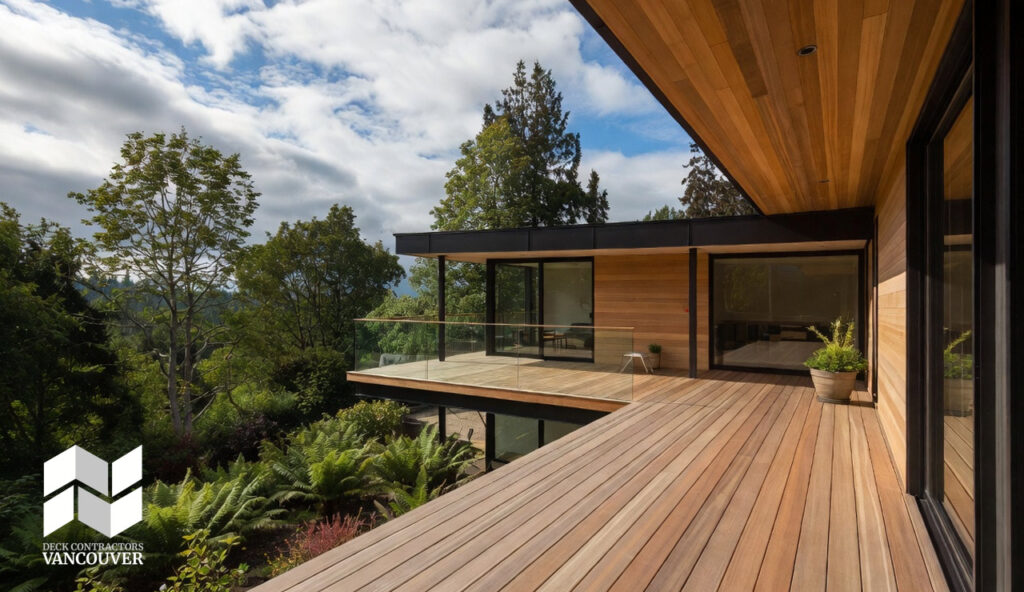
In this guide, I walk through the most relevant sustainable decking materials available, what makes each one a greener choice, and what to consider when selecting the right option for a home in the Pacific Northwest. My goal is to give you the information you need to make a confident, well-informed decision.
What makes a decking material truly eco-friendly?
Not every product labeled “green” deserves that title. When I evaluate a decking material for its environmental impact, I look beyond marketing claims and focus on the full picture. Four key factors shape whether a material is genuinely sustainable: responsible sourcing, manufacturing energy, lifespan, and end-of-life disposal.
Durability is one of the most overlooked factors in this conversation. A deck replaced every ten years consumes far more resources than one that lasts thirty. It is also worth understanding the difference between recycled content and recyclability. The most eco-friendly options aim to close that loop as much as possible.
The most popular eco-friendly decking materials compared
Choosing the right material means weighing environmental benefits against real-world performance. Here is how the most common sustainable options compare, so you can make an informed decision for your project in the Vancouver area.
Composite decking
Composite decking is made from a blend of recycled plastic film and reclaimed wood fiber. Compared to pressure-treated lumber, it avoids the use of chemical preservatives and reduces demand for virgin timber. One limitation worth knowing is that most composite boards cannot be recycled at the end of their lifespan, and their manufacturing process requires significant energy.
Despite that, composite remains the most widely chosen eco-friendly option among Vancouver homeowners. Its long lifespan, low maintenance requirements, and high recycled content make it a practical and responsible choice for the Pacific Northwest climate.
Bamboo decking
Bamboo is one of the fastest-growing plants on earth, reaching maturity in just a few years compared to decades for hardwood trees. As it grows, it absorbs significant amounts of CO2, which adds a meaningful climate benefit beyond simply avoiding deforestation.
Not all bamboo products are equal, though. Strand-woven bamboo is considerably denser and more durable than standard options, making it better suited for the wet conditions common in the Vancouver region. It holds up well against moisture and resists warping over time.
Responsibly sourced wood
FSC certification is the most reliable way to confirm that wood has been harvested from a responsibly managed forest. In British Columbia, cedar is a particularly strong local option since it is renewable, widely available, and naturally resistant to moisture and insects.
The main environmental tradeoff with natural wood is the need for ongoing chemical treatments like stains and sealants. When maintained responsibly with low-VOC products, wood can still be an ecologically sound choice, especially for smaller projects or restorations where a natural aesthetic is the priority.
Cellular PVC and aluminum
Cellular PVC is often grouped with composite decking, but it is made entirely from PVC rather than a wood-plastic blend. This distinction matters because cellular PVC is fully recyclable at the end of its life, which gives it an advantage over most composites in terms of long-term environmental impact.
Aluminum decking is another option worth considering. It is fully recyclable, requires virtually no maintenance, and will not rot, warp, or splinter. Both materials tend to outperform organic options in high-moisture environments, making them worth a closer look for waterfront or ground-level deck projects.
| Eco-friendly decking materials at a glance | |||||
|---|---|---|---|---|---|
| Material | Recycled content | Lifespan | Maintenance | Recyclable at end of life | Climate fit for Vancouver |
| Composite decking | High (up to 95%) | 25–30 years | Low | No | Excellent |
| Bamboo (strand-woven) | None | 20–25 years | Medium | Partial | Good |
| Cedar (FSC certified) | None | 15–20 years | High | Yes (biodegradable) | Excellent |
| Cellular PVC | Medium | 25–30 years | Very low | Yes | Excellent |
| Aluminum | High (recycled metal) | 30+ years | Very low | Yes | Excellent |
How long your deck lasts is an environmental decision?
Most people think about lifespan in terms of cost, but it is just as important from an environmental standpoint. A deck that needs full replacement every ten to fifteen years will consume two or three times the materials, energy, and disposal resources of one that holds up for twenty-five to thirty years. When I look at the true environmental cost of a material, longevity is always part of that calculation.
Low-maintenance materials also play a quiet but important role in reducing chemical runoff. Wood decks that require annual staining, sealing, or pressure washing introduce chemicals into the surrounding soil and waterways over time. Choosing a material that needs only occasional cleaning with mild soap and water significantly reduces that ongoing environmental impact.
A product’s warranty is one of the most honest signals of its durability. Manufacturers who offer twenty-five to fifty year warranties are putting their confidence in writing, and that confidence reflects how the material is expected to perform over a full lifecycle. When comparing options, I always recommend treating the warranty length as a practical indicator of long-term environmental value.
What to look for when choosing eco-friendly decking materials in Vancouver?
Vancouver’s climate puts decking materials through a demanding test. High rainfall, persistent humidity, and seasonal freeze-thaw cycles can accelerate deterioration in materials that are not designed for these conditions. When selecting an eco-friendly option for this region, I always prioritize materials that have proven moisture resistance and dimensional stability across temperature changes.
For homeowners pursuing green building certifications, it is worth knowing that several sustainable decking materials contribute to LEED points under the Materials and Resources category. This is particularly relevant in British Columbia, where energy efficiency and environmental responsibility are increasingly embedded in local building culture and, in some cases, municipal requirements.
Before committing to a material, there are a few questions worth asking your contractor. Find out where the material is sourced, how it is manufactured, and whether the supplier has third-party environmental certifications. On the financial side, a higher upfront cost often translates into lower long-term spending on maintenance and replacement, which means the most sustainable choice frequently turns out to be the most economical one over time.
Working with a local deck contractor who understands sustainability?
Selecting the right material is only part of the process. A contractor with genuine local knowledge understands which products perform best in Vancouver’s specific climate, has relationships with regional suppliers, and stays current with BC building codes and permit requirements. That expertise makes a real difference in the quality and sustainability of the final result.
At Deck Contractors Vancouver, we help homeowners navigate these decisions from start to finish. Whether you are exploring composite, cedar, or another eco-friendly option, we bring the experience needed to match the right material to your project, your budget, and your environmental goals. Reach out to our team to start planning a deck that is built to last and built with care for the environment.